Design Phase Questions
The City is upgrading its sewer system in Mill Creek Park to reduce the amount of contaminated stormwater that is discharged each year from the City's combined sewer system. Combined sewer systems were common in 1915 when the city initially built the sewer through the park in 1915.
A combined sewer system is a single network of pipes that collects both wastewater from homes and businesses and stormwater runoff from the streets and roofs. During normal conditions, it carries all this water to a treatment plant. However, during heavy rain or snowmelt, the system can become overwhelmed, potentially causing untreated sewage to overflow into nearby waterways. This design, common in older cities like Youngstown, can lead to environmental and health issues, which is why modern urban planning often separates stormwater and wastewater systems.
The aim of this project is to install a much larger capacity sewer pipe that will hold more stormwater and reduce the amount of untreated stormwater from entering Mill Creek.
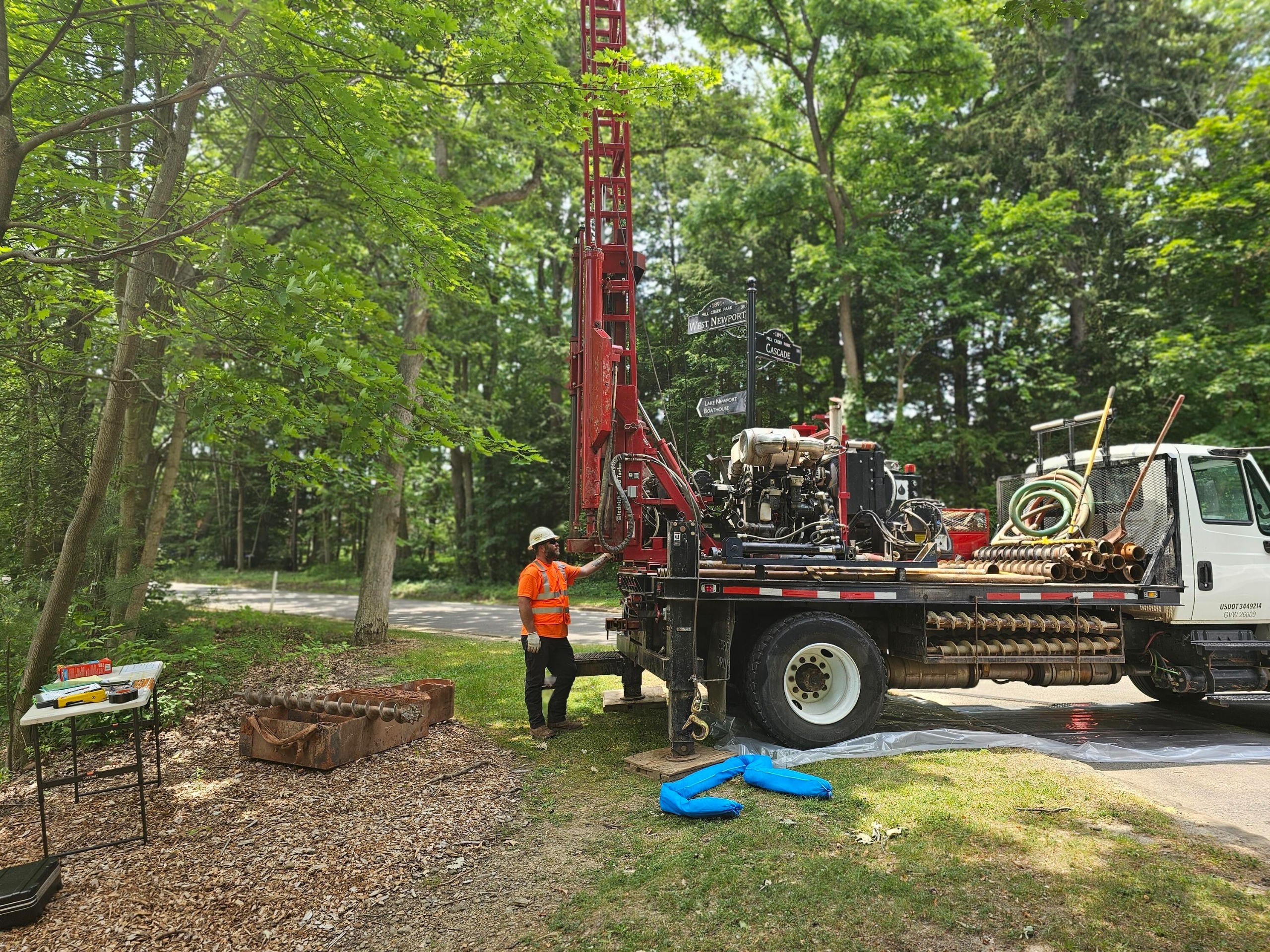
The City of Youngstown's contractors are testing the soil by digging small, deep holes to learn about characteristics of the soil beneath the surface. This is being done to prepare for the new sewer line. By examining the soil, engineers can determine if it's safe and practical to build the sewer in this location. These tests will also help them figure out the best way to construct the sewer while minimizing any negative effects on the environment. This information is crucial for making sure the project can go ahead smoothly and with as little disruption as possible to the surrounding area.
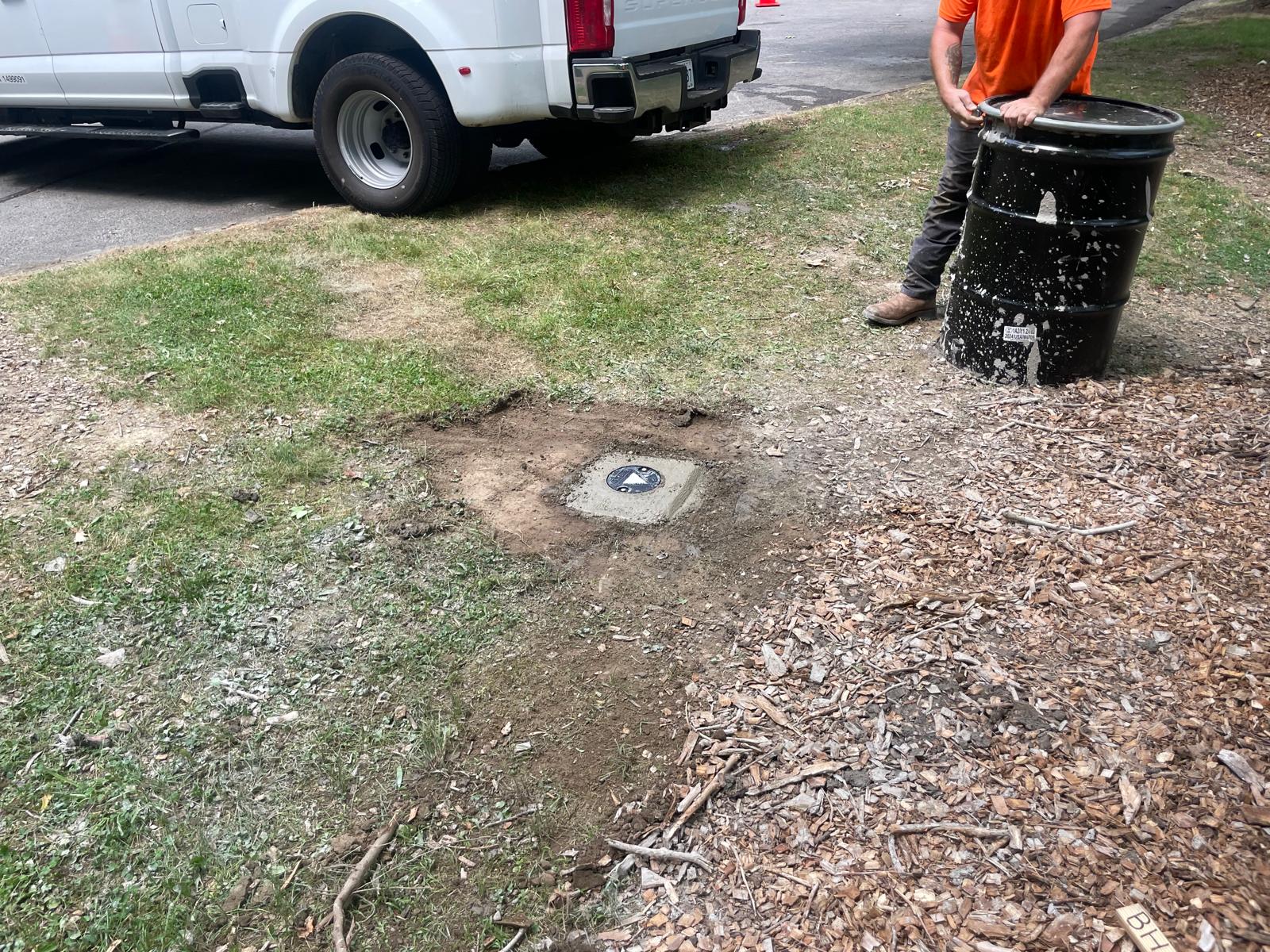
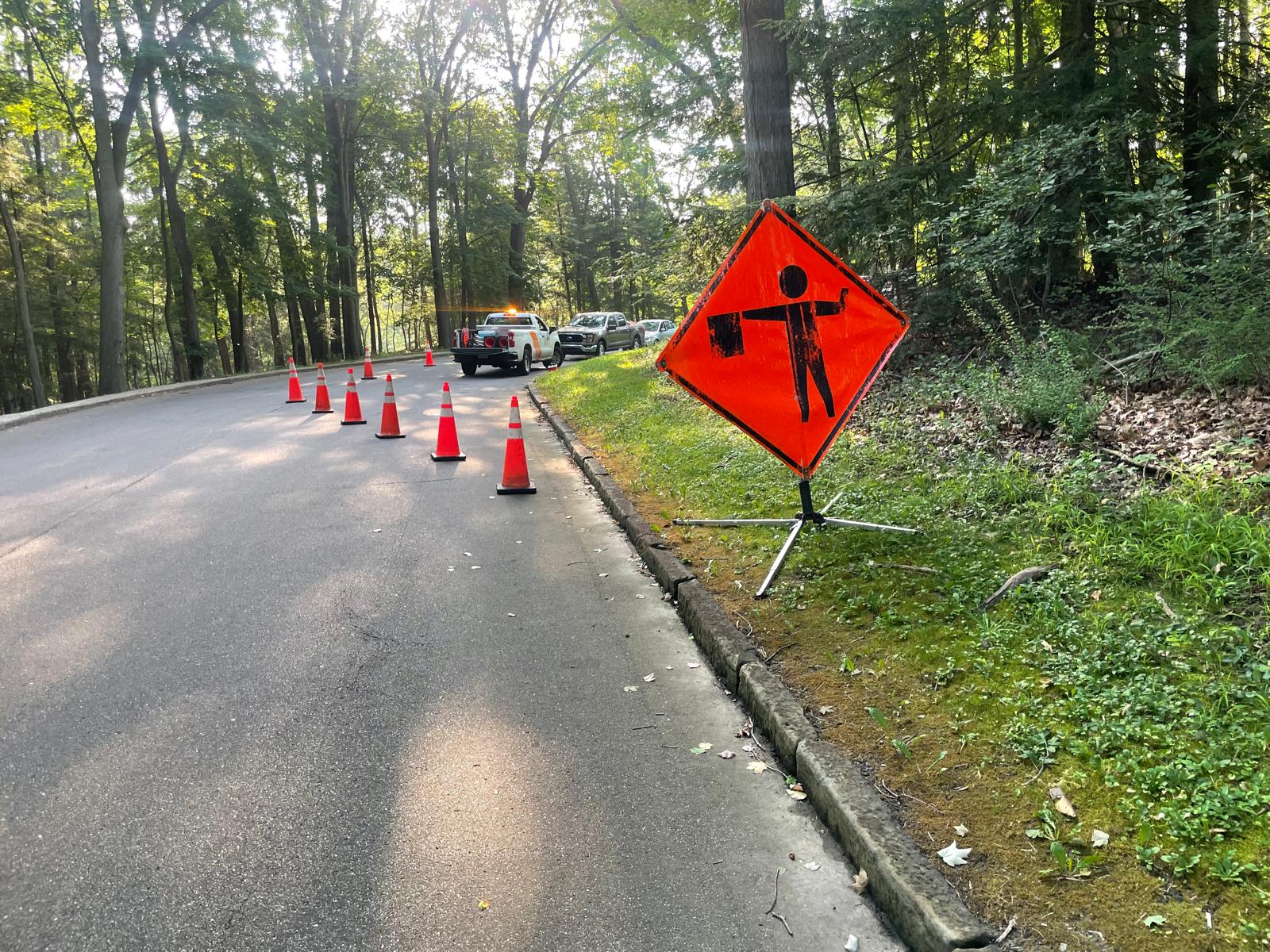
City consultants are performing sewer inspections in the project area. Sewer inspections help us understand what's going on underground with our pipes. Experts use special cameras on long cables to look inside the sewer pipes and find problems like cracks, blockages, or places where tree roots have grown into the pipes. This inspection tells us the current sewer condition and helps us decide if/where it needs repaired or replaced. It's like making sure a cup isn't cracked before pouring in more water. Knowing about sewer problems early helps engineers make better decisions. They can figure out if they need to change their designs to work with what's already there. This prevents messy and expensive surprises later when construction starts.
The nets are part of the bat survey being conducted to assure there are no endangered species of bats living in the project area. If endangered species are identified, construction can be timed or modified to reduce harm to the bats.
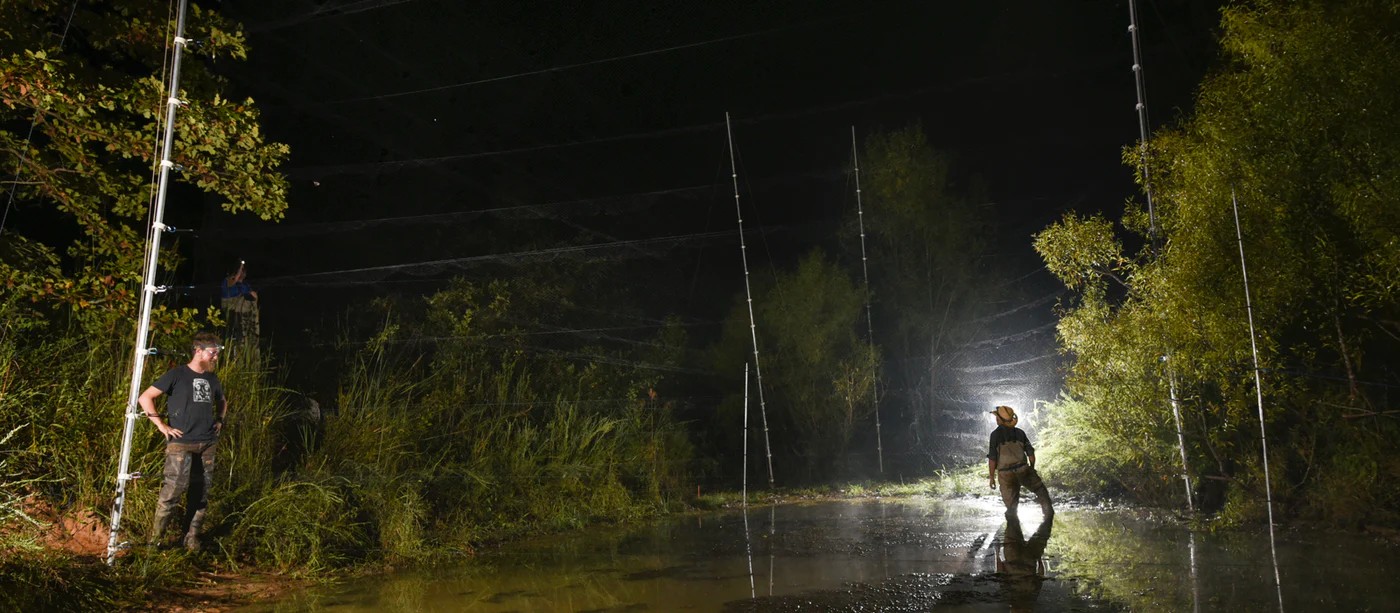
These are consultants for the City that are looking for endangered species of mussels that may live along a section of the creek where the sewer pipe crosses. These surveys help protect both the environment and the project. If any are found, they will be relocated to another section of the waterway prior to construction.
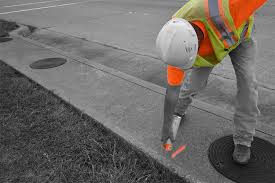
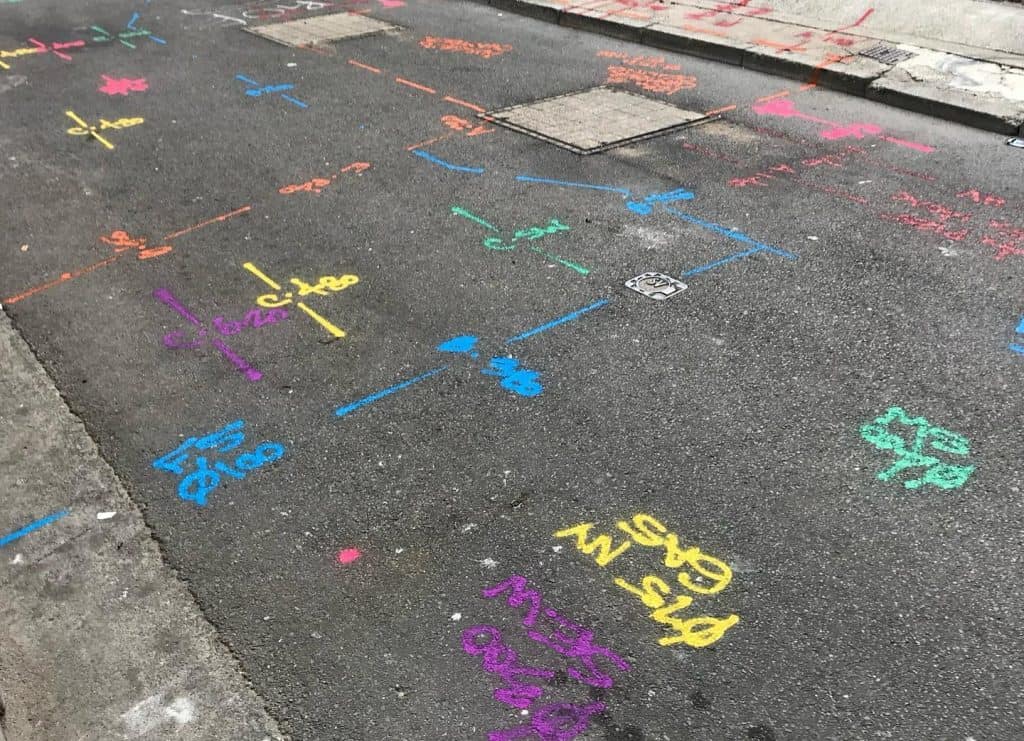
These are contractors working for the City conducting field investigations to verify underground utilities and property boundaries for right-of-way prior to construction. The engineers will use information being gathered during design.
Currently construction of Parts 1 and 2 of the project are scheduled to begin in the last quarter of 2025.
Please contact Nicole Brooks with the City's Department of Public Works at (330) 742-8803 for more information.